
Does a Will Have to Be Notarised in South Africa? The Truth Most People Get Wrong
Yet this question causes enormous confusion, especially for people in Bellville and across Cape Town who are trying to get their estate planning right without overcomplicating things.
We see it often. Someone has taken the time to draft a will, had it signed, maybe even stored it safely, but still worries it might not hold up because it was never notarised.
Others assume notarisation adds extra legal weight, so they delay finalising their will while they look for a notary. In the process, they leave their families exposed.
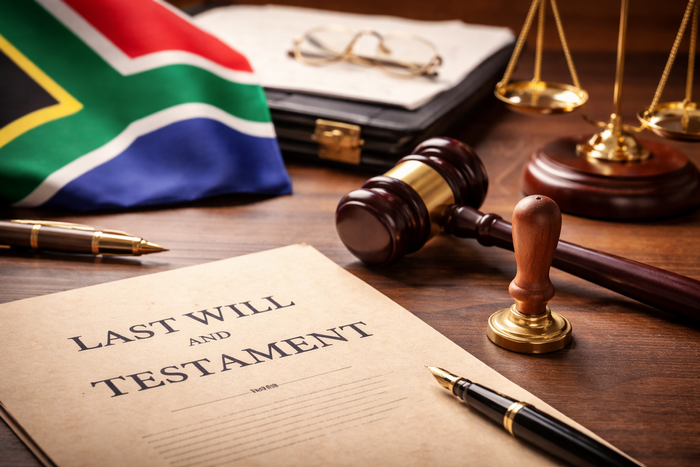
At MS Prok, we work with wills, conveyancing and deceased estates every day. We know exactly where this confusion comes from and, more importantly, how to avoid the real risks that cause wills to fail. This guide explains when notarisation is not required, what actually makes a will legally valid, and why professional legal drafting still matters far more than a stamp or seal.
Why So Many South Africans Think a Will Must Be Notarised
The idea that a will must be notarised usually comes from three places.
First, online information written for other countries. In some jurisdictions, notarisation plays a role in estate documents. South African law works differently.
Second, generic online templates. Many are designed for international use and include steps that simply do not apply locally.
Third, a natural assumption that notarisation equals legal strength. It feels official, so it must be required. In South Africa, that assumption is incorrect.
Our law focuses on how a will is signed and witnessed, not whether it was notarised.
What Actually Makes a Will Legally Valid in South Africa
South African law is strict about execution. These requirements are not guidelines. They are rules.
To be legally valid, a will must meet all of the following conditions:
- You must be legally capable
- You must be at least 16 years old and mentally capable of understanding what a will is, what assets you own and who your beneficiaries are.
- The will must be in writing
- A will must be written. It can be typed or handwritten, but it cannot be verbal.
- You must sign the will
- You must sign the will yourself, or direct someone to sign on your behalf in your presence. This second option introduces additional legal complexity and should be handled carefully.
- Two competent witnesses are required
- You must sign the will in the presence of two witnesses. The witnesses must also sign in your presence and in the presence of each other.
- The witnesses must:
- Be 14 years or older
- Be mentally competent
- Not be beneficiaries in the will
- Not be married to beneficiaries
- Each page must be signed
- If the will consists of more than one page, each page must be signed or initialled as required.
- If all of these steps are followed correctly, the will is legally valid. No notarisation is needed.
What Notarisation Does Not Do
This is where many people misunderstand the process.
Notarisation does not:
- Replace proper witnessing
- Cure missing signatures
- Validate an improperly executed will
- Fix ambiguous wording
- Prevent disputes
- Override statutory requirements
A notarised will that was signed incorrectly can still be declared invalid.
In other words, notarisation cannot rescue a flawed will.
When Notarisation May Be Relevant
Although notarisation is not required for ordinary South African wills, there are limited situations where it may be relevant.
These include:
- Wills dealing with assets in foreign jurisdictions
- Documents intended to be used outside South Africa
- Certain notarial deeds, which are different from wills
For most people in Bellville and Cape Town who own local property and assets, notarisation plays no role in creating a valid will.
The Real Risk Is Not Notarisation. It Is Incorrect Execution
When we deal with deceased estates, the problems almost never stem from a lack of notarisation. They come from mistakes in execution.
Common examples include:
- A beneficiary acting as a witness
- Missing signatures on one or more pages
- Witnesses not signing in the correct presence
- Unclear or contradictory clauses
- Failure to revoke previous wills
- Outdated provisions that no longer reflect reality
These issues delay estates, increase costs and cause family conflict.
None of them are solved by notarisation.
Why Professional Legal Drafting Still Matters
If notarisation is not required, why use a lawyer at all?
Because drafting a will is not just about validity. It is about effectiveness.
At MS Prok, we ensure:
- Your will meets all legal requirements
- The signing process is properly supervised
- Your intentions are clearly and unambiguously recorded
- Your will aligns with your property and conveyancing position
- Estate administration is considered from the start
- Future disputes are minimised
We see the problems that arise when these steps are missed. Our approach is designed to prevent them.
How Wills, Conveyancing and Estates Connect
Many people treat their will as a standalone document. In reality, it is closely linked to conveyancing and estate administration.
Property transfers, especially in Bellville, often form the largest part of an estate. If the will does not align with how property is owned, transferred or bonded, delays are almost guaranteed.
Because we handle:
- Contracts
- Conveyancing
- Wills
- Deceased estate administration
under one team, we ensure everything works together.
That integration is one of the biggest advantages of working with MS Prok.
Why Bellville Clients Choose MS Prok
People come to us because they want clarity, not confusion.
We offer:
- One legal team handling all your legal requirements
- Experienced attorneys who protect your interests
- Smooth, efficient and stress free property and estate processes
- Expert advice for valid wills and estate planning
- A specialised deceased estates team that ensures matters proceed smoothly
We do not just draft documents. We think ahead.
Frequently Asked Questions
Does a will have to be notarised in South Africa?
No. Notarisation is not required for a will to be valid.
Does notarising a will make it stronger?
No. Proper execution and witnessing matter, not notarisation.
Can a handwritten will be valid?
Yes, if it meets all legal requirements and is properly signed and witnessed.
Can a will still be challenged if it is notarised?
Yes. Notarisation does not prevent challenges based on execution, capacity or undue influence.
Should I still use a lawyer to draft my will?
Yes, if you want certainty, clarity and protection for your beneficiaries.
Final Thoughts: Focus on What Actually Matters
Notarisation sounds important, but it is not what makes a will valid in South Africa. Correct execution, clear drafting and proper planning do.
A will is not about ticking boxes. It is about protecting the people you leave behind and ensuring your wishes are carried out without unnecessary delay or conflict.
At MS Prok, we help you get it right the first time.
Use the contact form below to speak to our team. Let us help you put a legally sound, properly executed will in place with confidence and peace of mind.